Bill O'Neil Archives: In-Depth Interview With IBD's Founder

Interview by Investor's Business Daily
Investor's Business Daily is the Los Angeles-based financial newspaper and research publisher founded by William O'Neil in 1984, known for its CANSLIM investing methodology and growth-stock research.
This archival recording from an Investor's Business Daily anniversary show follows founder Bill O'Neil from his early influences — Gerald Loeb, Jesse Livermore and Jack Dreyfus — through the institutional accumulation and earnings criteria behind CANSLIM, and the follow-through day he uses to buy the strongest stocks as a market turns. The closing section turns to holding winners: why he prefers businesses he can understand, and how firsthand observation of Pick n Save and Price Club produced two of his biggest early trades.
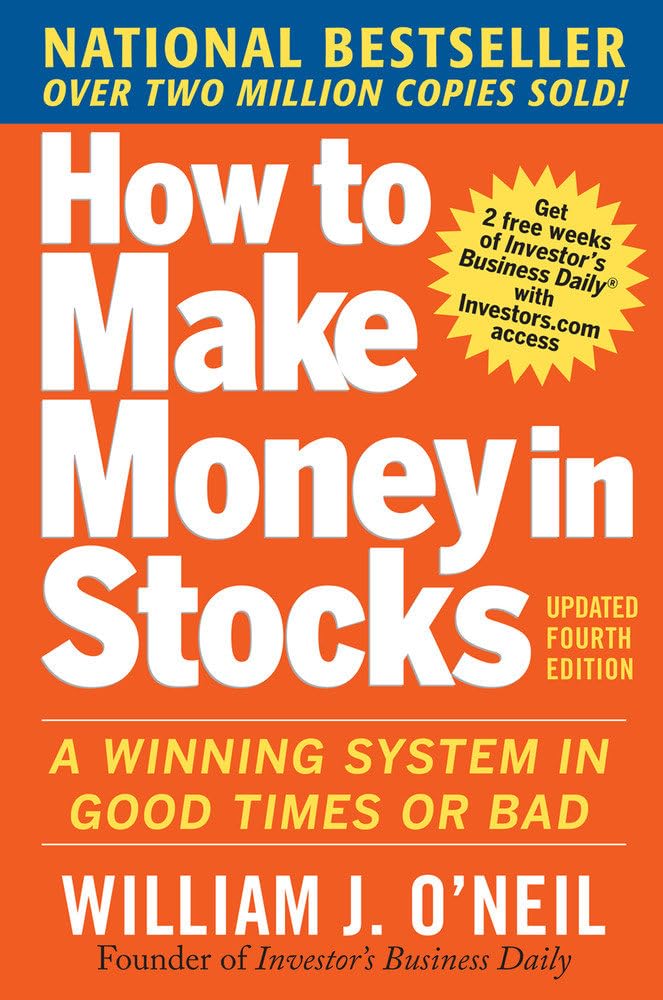
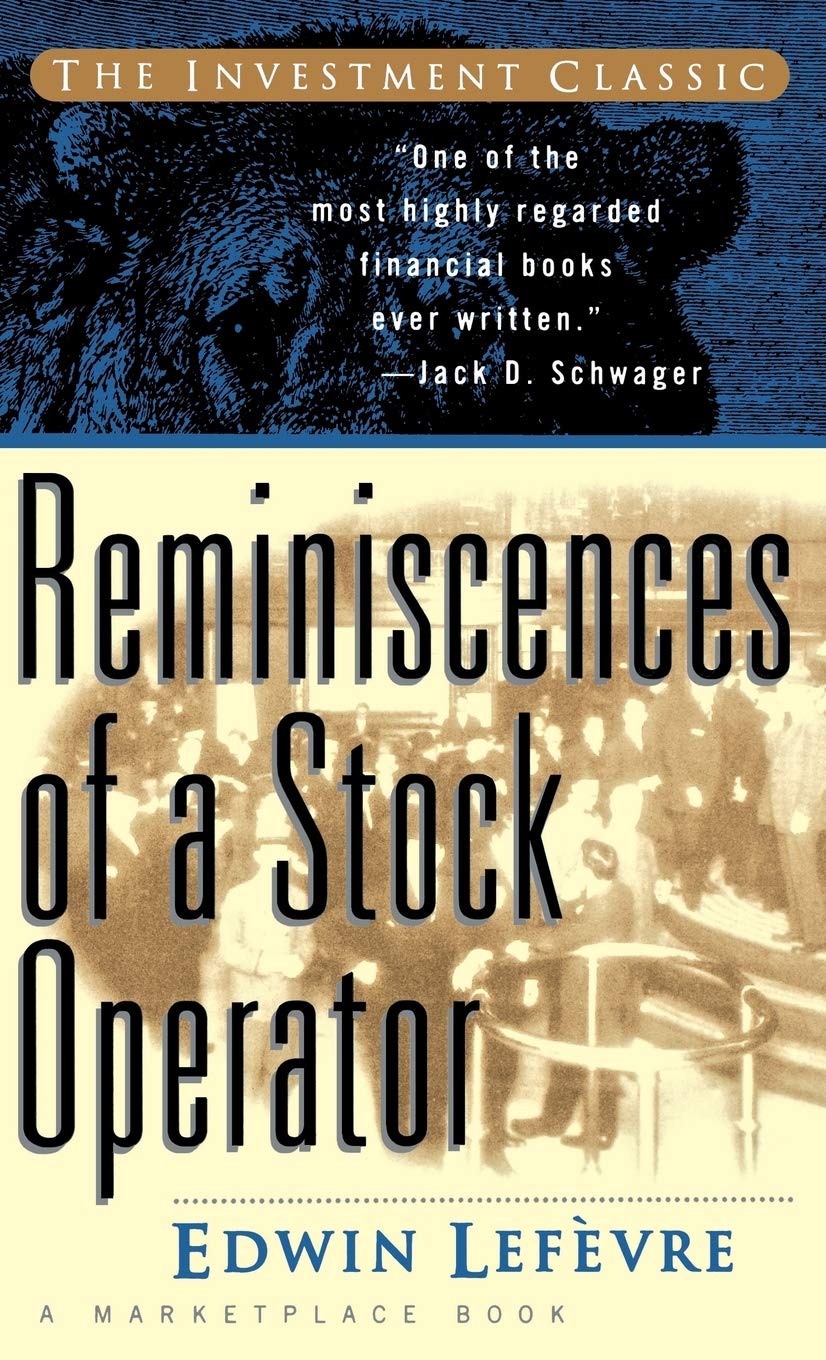
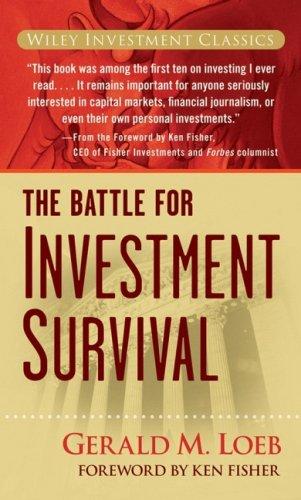
Books Mentioned
Key Insights
- Study the practitioners
- Find people who are actually making money, then reverse-engineer what they do. O'Neil plotted Jack Dreyfus's quarterly holdings and found every stock was hitting new highs.
- What forms a base
- Institutional accumulation: a large fund may spend six to ten weeks building a position, and that buying is what creates the chart pattern.
- Scan, then verify
- Flip through hundreds of charts for a base under accumulation and relative strength, then require earnings up 40–100%, strong sales, a unique product and good margins or ROE.
- Follow-through day
- After a correction, wait for a follow-through day. The strongest stock of the cycle often breaks out that same day.
- Buy the leader
- Buy on the follow-through day rather than waiting for the economy to improve; the best leaders have been suppressed and come up fast.
- Stay objective
- Do not get fixed in your opinions. A bearish stance can become bullish within days when the market's action changes.
- Let the market rank them
- If you own two or three candidates, the one moving up 10% is a bigger leader than the one up 5%; price action tells you which is best.
- Hold what you understand
- Sit tight on businesses you know, review your trades to see where you made the most money, and prefer unique expandable concepts over copycats.

The few books and traders worth studying
Asked who shaped his thinking, O'Neil names Gerald Loeb, whose The Battle for Investment Survival taught him to stay market-oriented, and Jesse Livermore, whose Reminiscences of a Stock Operator he still considers valuable. His rule for reading is selective: there are only about five, six, maybe seven books really worth reading, and they should come from people who have actually made money in the markets. He looked for practitioners who were excelling, met them when he could, and tried to learn what they were doing rather than collecting theory.
What great traders share — and Jack Dreyfus's new-high epiphany
O'Neil says the great traders he studied shared humility — they made enough mistakes to learn how to overcome them — and they were market-oriented rather than theoretical. The first investor he noticed was Jack Dreyfus, whose fund was outperforming every other fund; O'Neil visited the office and found a chartist with daily charts posted around the room and a tape running through the accounting department. When he plotted Dreyfus's quarterly holdings, every stock had a chart pattern and Dreyfus never bought anything unless it was going into new high ground. That observation became one of the foundations of CANSLIM: bases form through institutional accumulation, and the stock emerges from the base and breaks out to new highs before the biggest moves.
Nothing new on Wall Street
O'Neil argues that market patterns repeat because human behavior repeats: the cup with handle and flat base he finds in modern leaders are the same shapes visible in Tennessee Coal in the late 1800s and Apple in 2004. Different people make the patterns in every era — pools and old barons a century ago, mutual funds today — but the accumulation and breakout behavior is unchanged. He says this is why studying market history matters: the patterns have been there for 80 years and more, and most people miss them because they are too lazy or rely on someone else's opinion. The CANSLIM system is his codification of those recurring traits, not an invention.
Scan charts first, then demand big earnings
O'Neil explains how he finds a potential triple: he flips through hundreds of charts until one shows a base under accumulation and is acting stronger than the rest, then checks the fundamentals. He wants earnings up 40%, 50% or 100% — not 10% or 15% — plus strong sales, a unique product he can understand, good profit margins and return on equity. The process works because a big fund taking a 3% position in a $2 billion portfolio may spend six to ten weeks buying, and that institutional accumulation is what forms the chart pattern. Charts are the screen; the earnings and the new product are what make the stock go up.
Buy the strongest stock on the follow-through day
O'Neil describes the turn after a correction: once the market produces a follow-through day, the strongest stock of the cycle often breaks out that same day or forms a small handle and emerges a few weeks later. He wants to buy something on the follow-through day because the best leaders have been suppressed by the negative market and come up fast when institutions start buying. The 2009 bottom is his example: Green Mountain Coffee Roasters, Netflix and Apple broke out quickly after the follow-through day. The lesson is to be prepared and objective at the turn rather than waiting for the economy to look good.
Don't get fixed in your opinions
Asked whether corrections excite him, O'Neil says he does not enjoy watching the market fall, but he can be very bearish and two days later very bullish depending on what has occurred. He refuses to get fixed in his opinions because opinions are not worth much; the market itself is the evidence. When he buys two or three stocks at a turn, the market quickly ranks them — the one up 10% is a bigger leader than the one up 5% — so he lets price action tell him which is the best stock rather than deciding in advance.
Sit tight on businesses you understand
In part two, O'Neil addresses holding winners: he does not hold many stocks for long, but when he buys a base with earnings and sales support he can sit through volatility because he understands the business. He prefers retail and drug stocks over high-tech for that reason, and recommends reviewing trades to see where you actually made the most money. Pick n Save was an early example — a tiny over-the-counter retailer with a perfect cup with handle and earnings up 35% a quarter — and Price Club was another: he waited through a correction for a proper base and rode an eight- to tenfold advance. The common thread is a unique concept that can be expanded city by city, not a copycat.